

Launchpad refers to a platform that helps crypto projects raise funds and distribute tokens through curated token sales.
Key Takeaways
- One-sentence definition: a crypto launchpad is a curated platform for token sales and early investor access.
- Core features include vetting, token allocation, and often staking participation for eligibility.
- Real‑world use: Binance Launchpad has funded dozens of projects, delivering billions in market cap.
- Compared to a traditional IPO, a launchpad offers faster, borderless, and community‑driven fundraising.
- Risk warning: early‑stage tokens can be highly volatile and may never list on exchanges.
What Is Launchpad?
In plain language, a launchpad is a platform that lets crypto projects sell their new tokens to early investors before the tokens hit the open market.
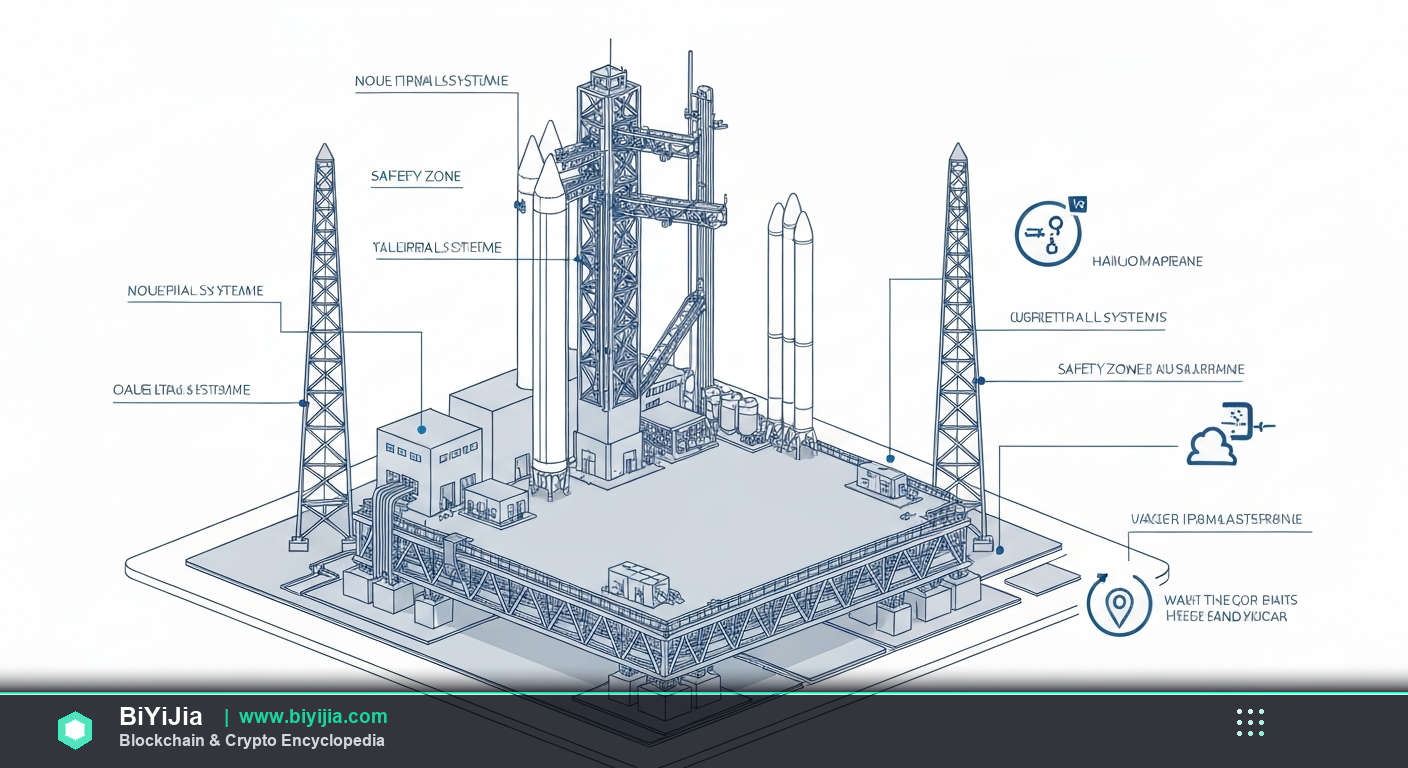
Technically, a launchpad operates as a smart‑contract‑driven marketplace where a project submits its tokenomics, the platform conducts due diligence, and qualified users can lock up assets—often through staking—to receive allocation rights. The process blends elements of Initial Exchange Offerings (IEOs) and token generation events, but with tighter curation and community incentives.
Think of it like a Kickstarter for blockchain: creators pitch their ideas, backers pledge funds, and when the funding goal is met, the product (or token) is delivered to supporters.
How It Works
- Project applies to the launchpad, providing whitepaper, token model, and legal compliance documents.
- The platform conducts vetting, often involving on‑chain analytics and off‑chain audits, then announces the sale date.
- Interested users stake a native token or hold a minimum balance to qualify for allocation.
- During the sale window, participants deposit stablecoins or platform tokens; the smart contract records each allocation.
- After the sale, tokens are distributed, and the project may list on the platform’s exchange or partner DEXs.
Core Features
Vetting Process: The launchpad screens projects for technical soundness, regulatory compliance, and market potential.
Staking Participation: Users often lock up a native token to earn allocation priority, aligning incentives.
Tiered Allocation: Allocation size can depend on staking amount, loyalty level, or past participation.
Post‑Sale Support: Many launchpads assist with exchange listings, marketing, and community building.
Transparency Dashboard: Real‑time metrics on funds raised, token distribution, and vesting schedules are displayed on‑chain.
Real-World Applications
- Binance Launchpad – Over 30 projects launched, raising more than $2.5 billion in total (Binance Report 2025).
- Coinbase Launchpad – Focuses on US‑compliant token sales, with a $120 million raise for Project X in Q4 2024.
- Polkastarter – A DeFi‑native launchpad that facilitated the $150 million token sale of MusicChain in early 2025.
- Solanium – Powered the $85 million launch of SolarSwap, using a staking‑based allocation model.
- OKX Jumpstart – Delivered $200 million across 12 token launch events in 2025, emphasizing early‑investment incentives.
Comparison with Related Concepts
Launchpad vs IEO: An IEO is simply an exchange‑hosted token sale, while a launchpad adds rigorous vetting, staking‑based eligibility, and post‑sale ecosystem support.
Launchpad vs Traditional IPO: IPOs require regulatory filings and underwriters; launchpads bypass most paperwork, enabling global participation in minutes.
Launchpad vs Token Sale Platforms (e.g., Uniswap Launchpad): Dedicated launchpads curate projects, whereas open DEX launch mechanisms let anyone list without quality checks.
Risks & Considerations
Project Failure: Even after passing vetting, many projects can stall or abandon development, leaving token holders with worthless assets.
Liquidity Lock‑up: Tokens may be subject to vesting periods, limiting immediate resale and exposing investors to price swings.
Regulatory Scrutiny: Some jurisdictions treat launchpad sales as securities offerings, risking legal action for participants.
Staking Opportunity Cost: Locking tokens for allocation means missing out on alternative yield opportunities during the sale window.
Market Volatility: Token prices can plummet after listing, especially if the project fails to deliver on roadmap promises.
Embedded Key Data
According to a 2025 CoinDesk survey, 68% of token investors said they first discovered projects through a crypto launchpad, up from 42% in 2022.
Data from Dune Analytics shows that token launchpads collectively generated $4.3 billion in primary market volume in 2025, representing a 27% year‑over‑year increase.
Frequently Asked Questions
What is the difference between a launchpad and an IEO?
A launchpad adds a layer of curation, staking‑based allocation, and post‑sale support, whereas an IEO is merely an exchange‑hosted token sale without those extra safeguards.
Do I need to hold a specific token to participate in a launchpad?
Most platforms require you to stake their native token—like Binance Coin for Binance Launchpad—or hold a minimum balance to qualify for allocation.
Can I sell my allocated tokens immediately after the sale?
Often there is a vesting or lock‑up period; some launchpads release tokens gradually to prevent market dumps.
How are projects selected for a launchpad?
Selection involves technical audits, market analysis, regulatory checks, and community sentiment assessments performed by the launchpad’s team.
Is participating in a launchpad risky?
Yes. Early‑stage tokens are highly speculative, and even vetted projects can fail, leading to total loss of investment.
Summary
Launchpad refers to a curated platform that enables crypto projects to raise capital and distribute tokens through early‑investment sales, often requiring staking participation. Understanding its mechanics, benefits, and risks helps investors navigate the fast‑moving token launch ecosystem alongside concepts like IEO and early investment.