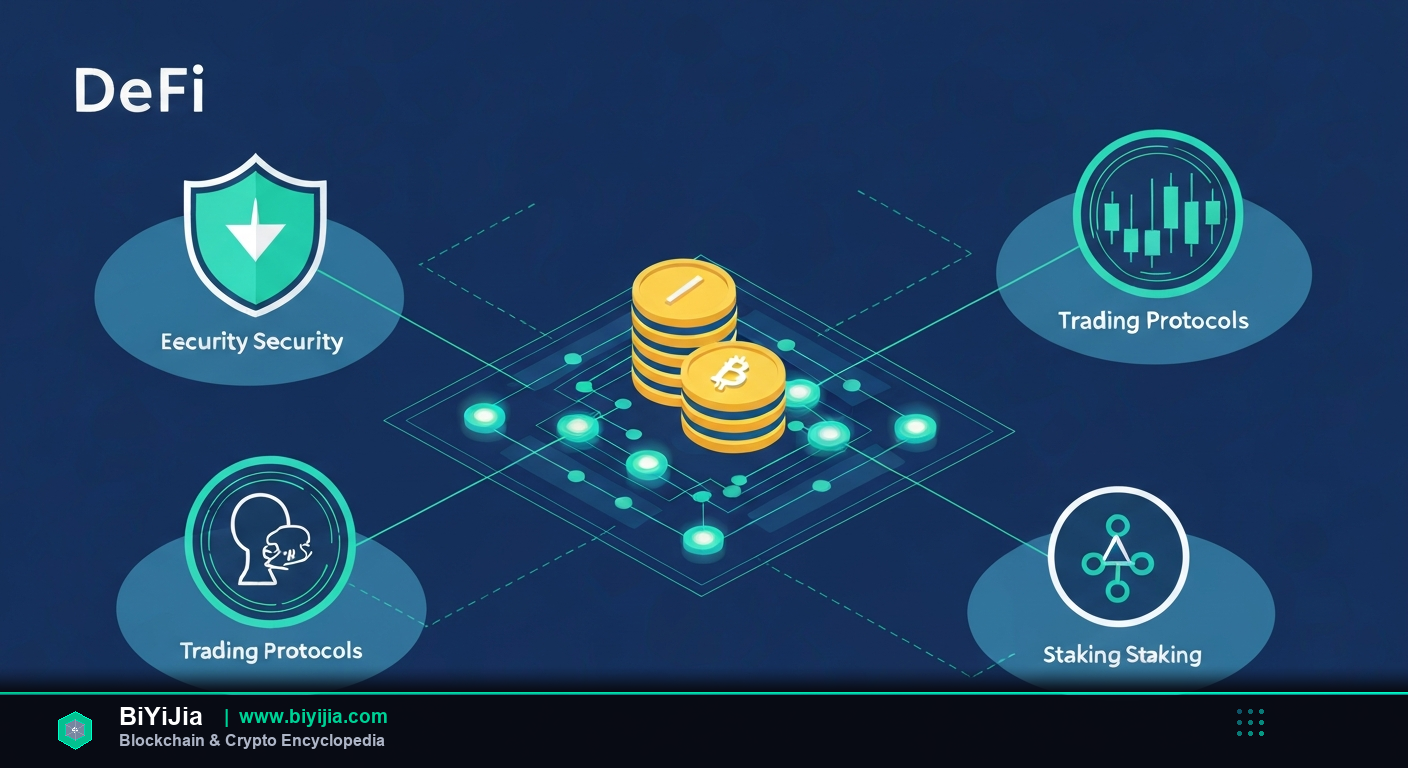

Ethereum network staking total has broken **32 million ETH**, accounting for 26.7% of the total supply. Among them, the liquid staking protocol **Lido Finance** holds about 32% of the market share, raising community concerns about decentralization.
Staking Data Overview
Since Ethereum completed The Merge in September 2022 and transitioned to proof‑of‑stake (PoS), the amount staked has continued to climb:
- Total Staked: 32,150,000 ETH (≈ $64 billion)
- Active Validators: Over 1,004,000
- Annual Yield: Approximately 3.2%
- Staking Share: 26.7% of total supply
Lido's Monopoly Controversy
Lido Finance, as the largest liquid staking protocol, manages more than 10 million ETH of staked assets. Ethereum Foundation researcher Danny Ryan has repeatedly warned that an overly dominant single protocol could pose a threat to network security.
Supporters argue that Lido’s operator nodes are distributed across 20+ independent entities, limiting actual centralization risk. Critics, however, point out that Lido DAO’s governance token LDO is concentrated in the hands of a few large holders, creating a potential governance‑attack vector.
Decentralized Staking Alternatives
To mitigate centralization risk, the community is promoting several alternatives:
- Rocket Pool (rETH): Permissionless decentralized staking where anyone can run a node
- Distributed Validation Technology (DVT): Obol and SSV Network are developing multi‑party validator solutions
- EigenLayer Restaking: Allows already staked ETH to simultaneously secure other protocols
Impact on Investors
The continued rise in ETH staking rate means fewer ETH are circulating in the market, creating deflationary pressure from a supply‑demand perspective. Coupled with EIP‑1559’s burn mechanism, ETH’s inflation rate has dropped to near zero or even a deflationary state.
⚠️ Risk Warning: Cryptocurrency investments carry a high level of risk. This article does not constitute investment advice.